How the New U.S.–China Trade Deal Could Boost China’s Indoor Playground Export Industry?
Date: November 2025
Author: Stefan Zhang – CMO, Dream Garden Amusement Equipment Co., Ltd.
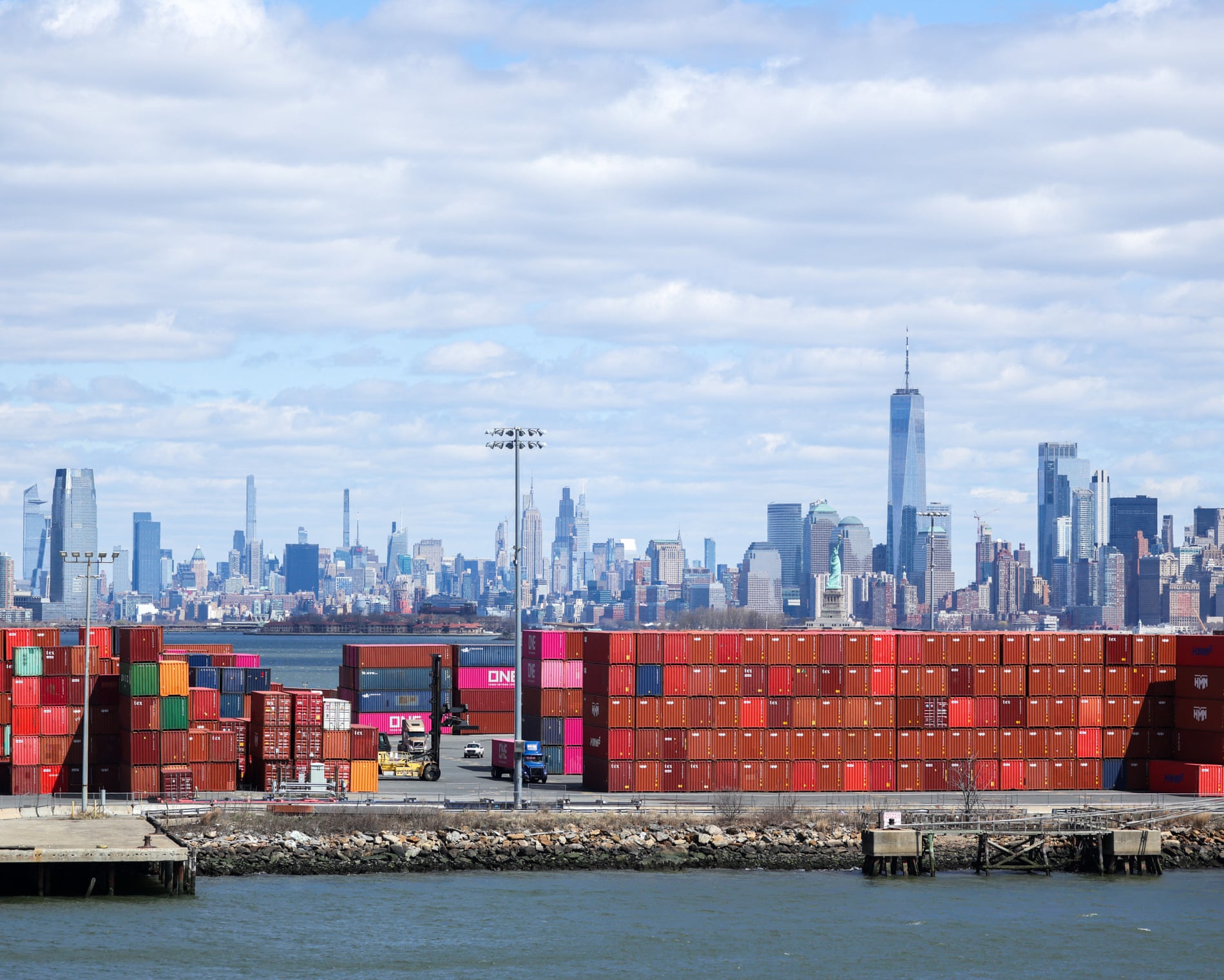
🔹 A Historic Adjustment in U.S.–China Trade Relations
On November 1, 2025, the White House officially released the Fact Sheet: President Donald J. Trump Strikes Deal on Economic and Trade Relations with China.
The statement confirms that the United States will:
-
Lower tariffs on Chinese imports by 10 percentage points starting November 10, 2025.
-
Extend Section 301 tariff exclusions—originally set to expire November 29, 2025—until November 10, 2026.
-
Suspend new reciprocal tariff actions during this one-year period.
This comprehensive policy package covers 178 product categories — ranging from industrial machinery and battery components to solar cells and electronic equipment — signalling a clear easing of trade pressure between the world’s two largest economies.
🔹 Why This Matters to the Playground & Amusement Equipment Industry
For over five years, U.S. tariffs under Section 301 increased the cost of importing Chinese manufactured goods, including structural metal parts, plastic modules and electronic control systems used in indoor playground equipment.
Many American FEC operators had to either delay projects or source from less experienced suppliers outside China, often at higher cost and lower quality.
With the latest exclusion extension and tariff reduction, Chinese manufacturers of playground and theme park equipment can expect a significant improvement in export conditions. For the first time since 2018, Chinese-made custom soft-play systems, trampoline parks and FEC attractions will regain their price advantage in the U.S. market.
🔹 Opportunities for Chinese Manufacturers
1️⃣ Lower Import Cost for U.S. Buyers
With tariffs reduced by 10 percentage points, American mall developers and entertainment investors will find it more affordable to import turnkey indoor playground solutions from China.
2️⃣ Increased Competitiveness for High-Quality Suppliers
Factories with TÜV, CE and ASTM certifications — such as Dream Garden — will benefit most, as buyers shift back to reliable partners offering safe and customizable equipment.
3️⃣ Stronger Cross-Border Partnership Potential
Suspension of the “End-User Controls Expansion Rule” for one year reduces the risk of export license delays on components such as LED interactive systems and digital projection modules used in modern play designs.
🔹 Dream Garden’s Perspective
At Dream Garden, we see this trade development as a turning point for China’s entertainment equipment industry.
Over the past decade, we’ve delivered more than 1,000 projects across Europe, the Middle East and Southeast Asia — each combining creative design with engineering precision.
With the U.S. now reopening a favorable policy window, we’re preparing to expand our presence through local partners, exhibitions and direct support for American family entertainment centers (FECs).
“Our mission has always been to bring happiness and creativity to every child through safe and imaginative play spaces,”
says Stefan Zhang, CEO of Dream Garden.
“With tariff barriers lowering and global confidence returning, it’s time for Chinese manufacturers to focus on innovation, sustainability and partnerships — not just production capacity.”
🔹 Outlook for 2026
If no further restrictions are added before November 2026, this policy will likely create a new wave of cross-border projects between China and the United States.
Expect to see more theme parks, trampoline centers and indoor playgrounds in North America featuring China-made equipment — a positive sign for the entire industry.


Comments
Post a Comment